

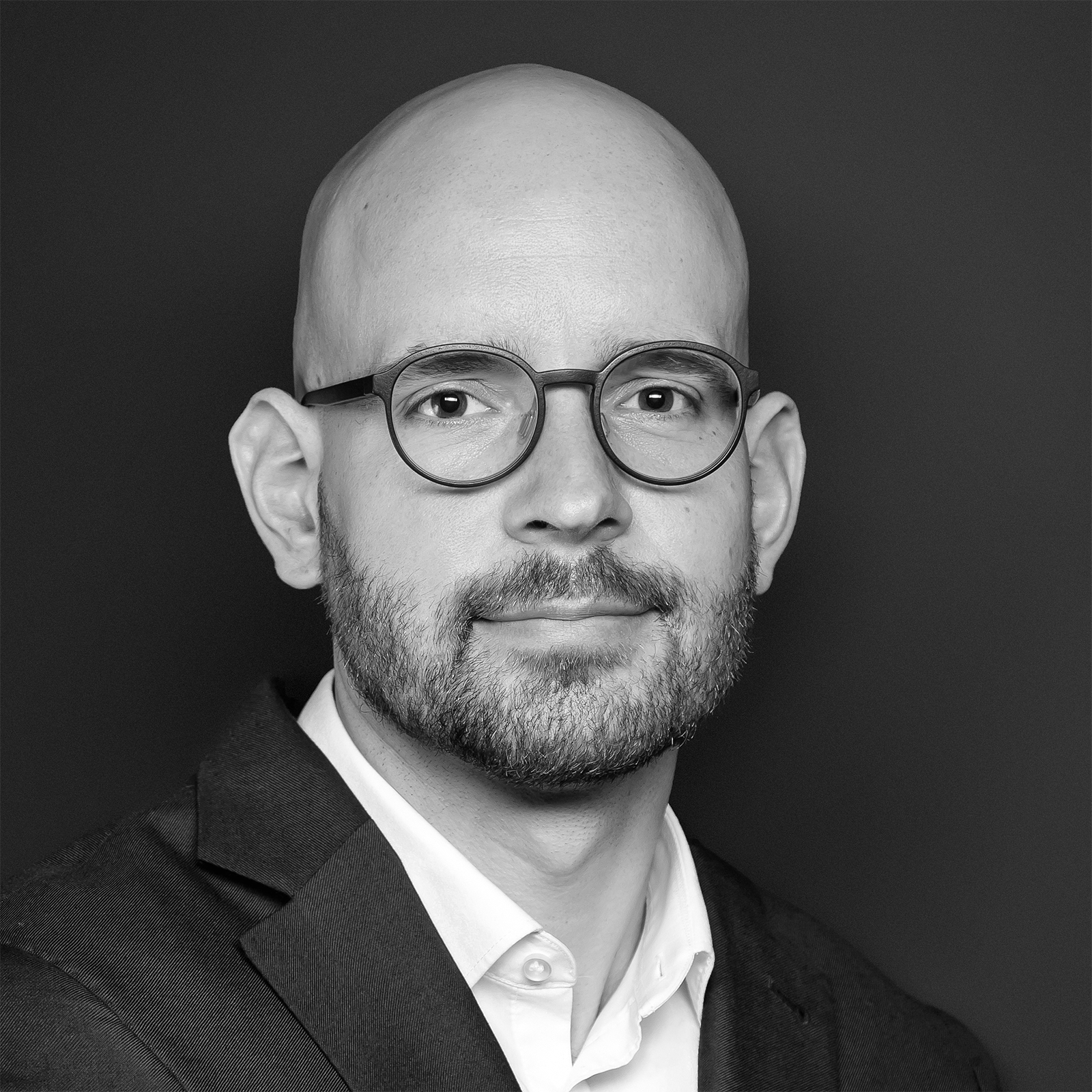
Curriculum Vitae
I studied law at Heidelberg University and obtained an LL.M. in International Studies in Intellectual Property and Data Law at TU Dresden and Queen Mary University of London. My studies were shaped by a strong focus on intellectual property and data law, as well as on the legal regulation of digital technologies.
Since November 2024, I have been a research associate at the Chair of Civil Law, Intellectual Property—particularly Patent Law—and Legal Issues of Artificial Intelligence at TU Dresden. In the context of my work and research within CeTI 2, I focus on legal aspects of artificial intelligence, particularly explanations in human–machine interaction, data-driven innovation, and legal issues relating to AI-supported and immersive application and learning contexts.
Projects/Cooperation within CeTI:
I am involved in several CeTI2 projects across U2, U3, U4, and U5, focusing on the legal and conceptual foundations of explanations in human-machine interaction.
What are the main topics or questions that drive your research?
My research focuses on the legal conditions under which explanations in human-machine interaction can be meaningfully generated, communicated, and regulated. In particular, I examine how requirements of transparency, accountability, and user understanding can be translated into legal standards for AI systems.
What inspired you to pursue your current field of work?
I was inspired by the growing gap between technically sophisticated AI systems and the legal frameworks governing their use. Especially the role of explanations as a bridge between human users and automated decision-making sparked my interest. Law plays a crucial role in shaping how explainability may become a functional and enforceable element of human-machine interaction.
What excites you most about being part of CeTI?
CeTI offers a unique interdisciplinary environment in which legal perspectives on explanations can be developed in close dialogue with computational and human-centered sciences and research. This allows legal concepts to be grounded in realistic models of human understanding and interaction. I particularly value the opportunity of understanding explanation-centered approaches across disciplines.
How do you like to recharge or spend your time outside of work?
Outside of work, I enjoy activities that provide a clear contrast to academic research, such as sports, travelling and spending time outdoors which allow me to gain new perspectives.