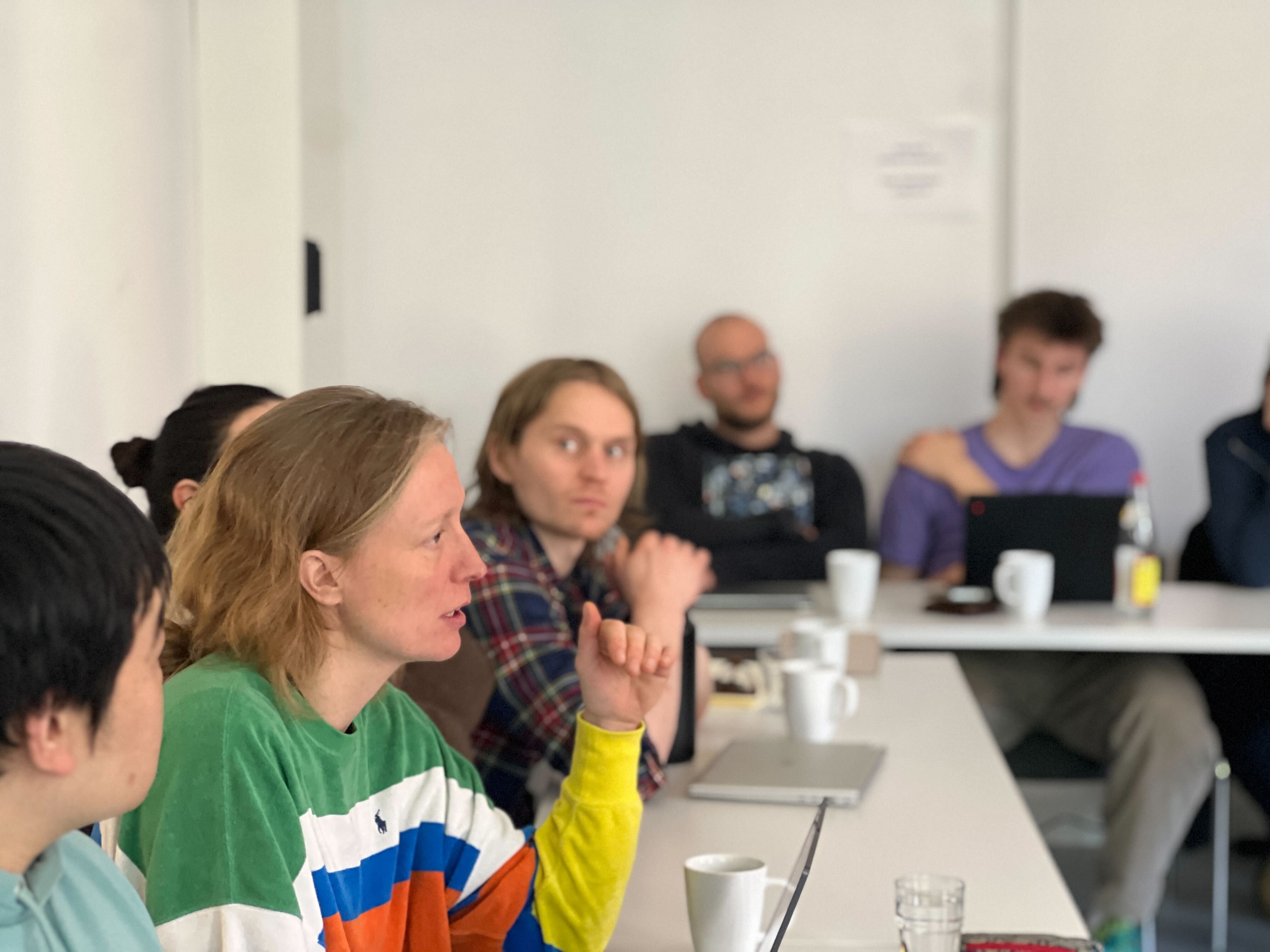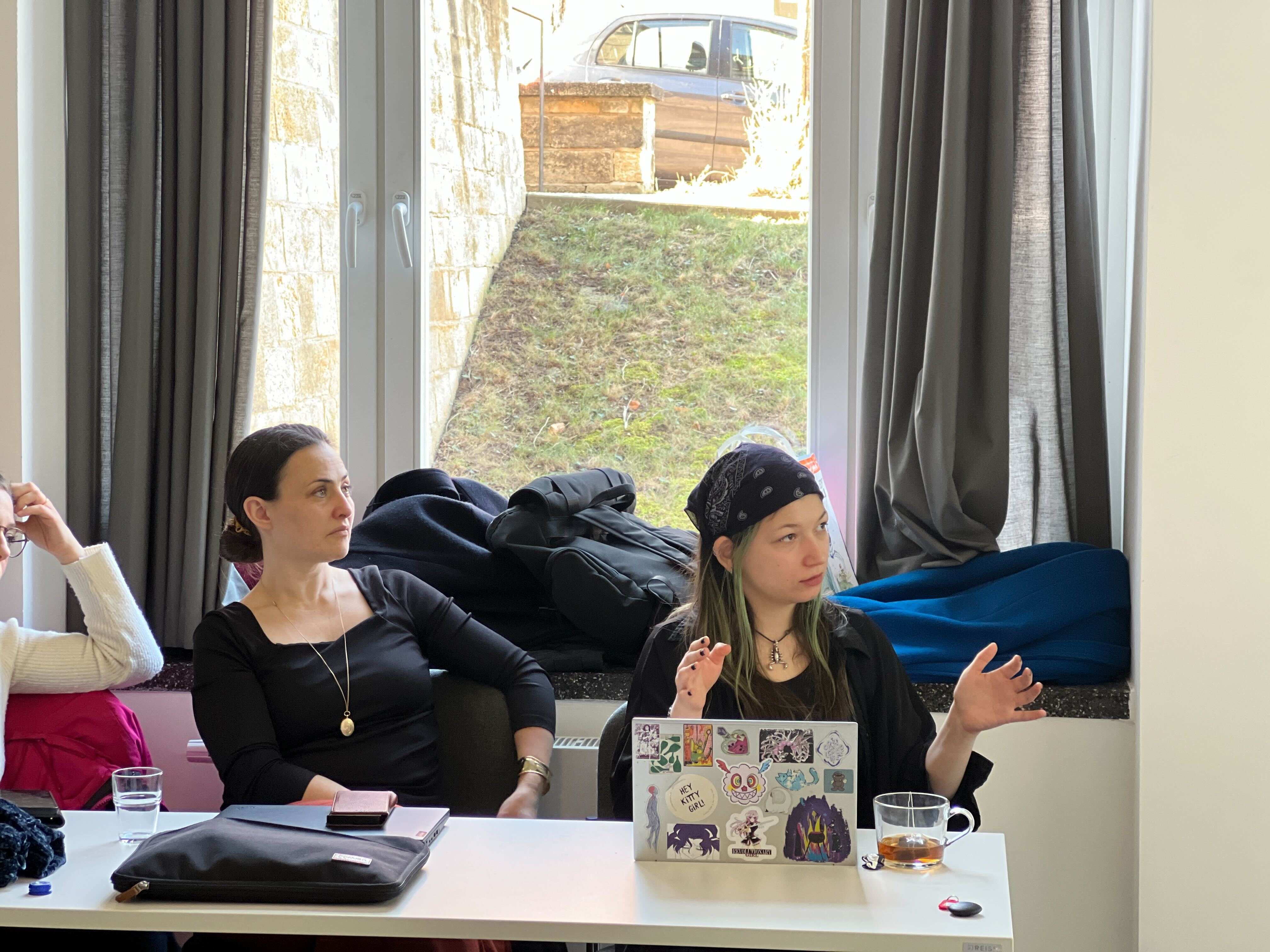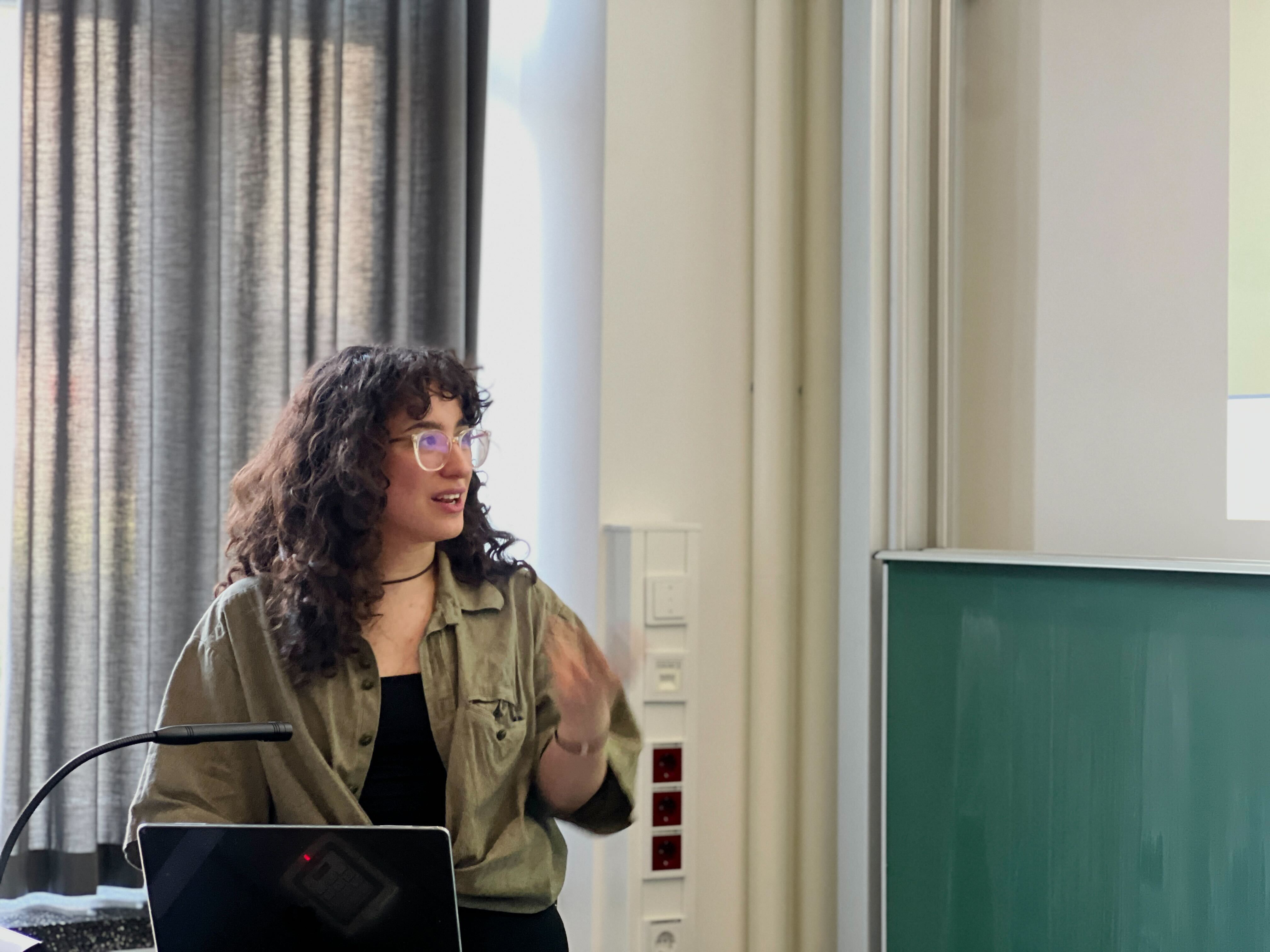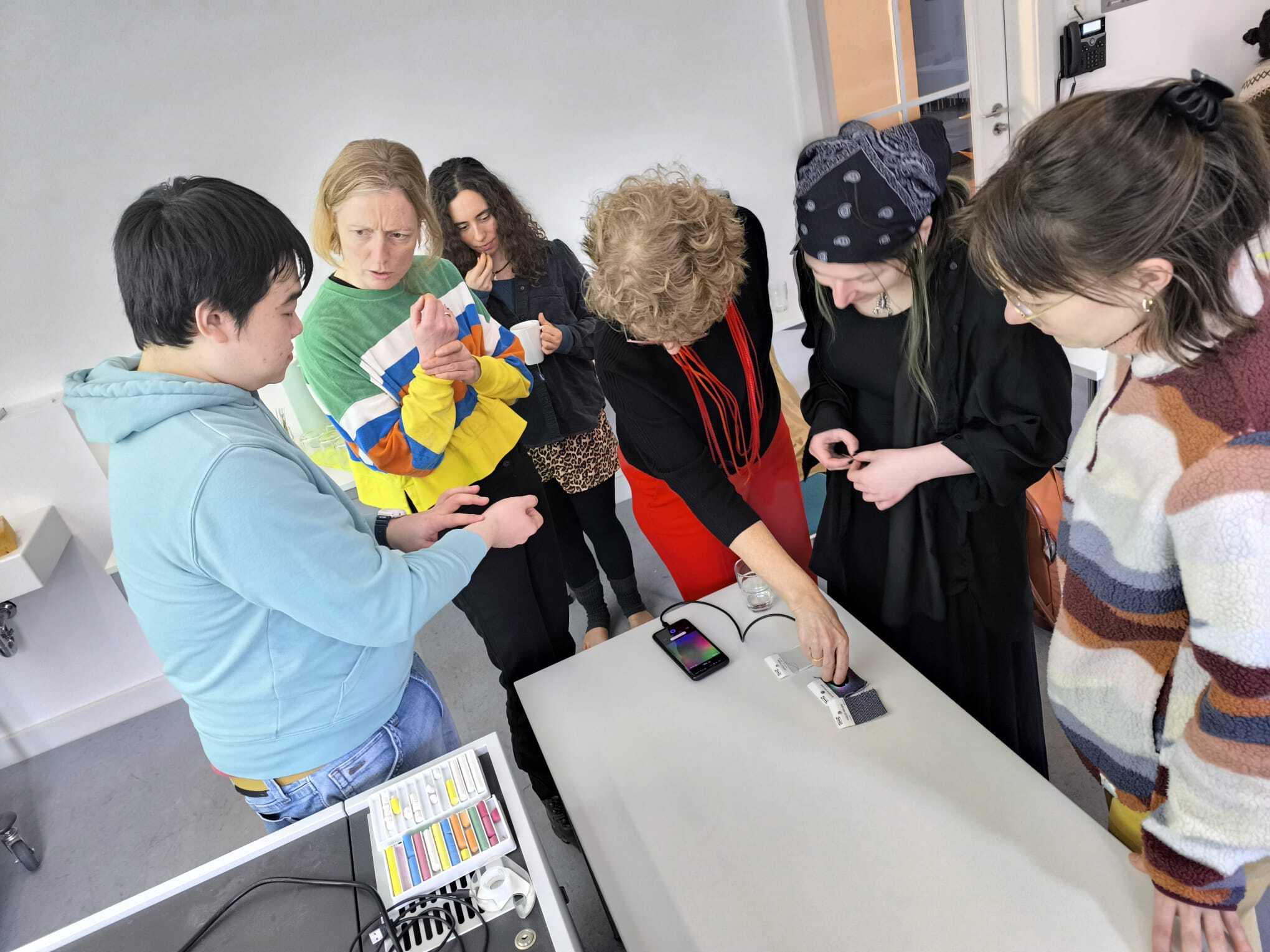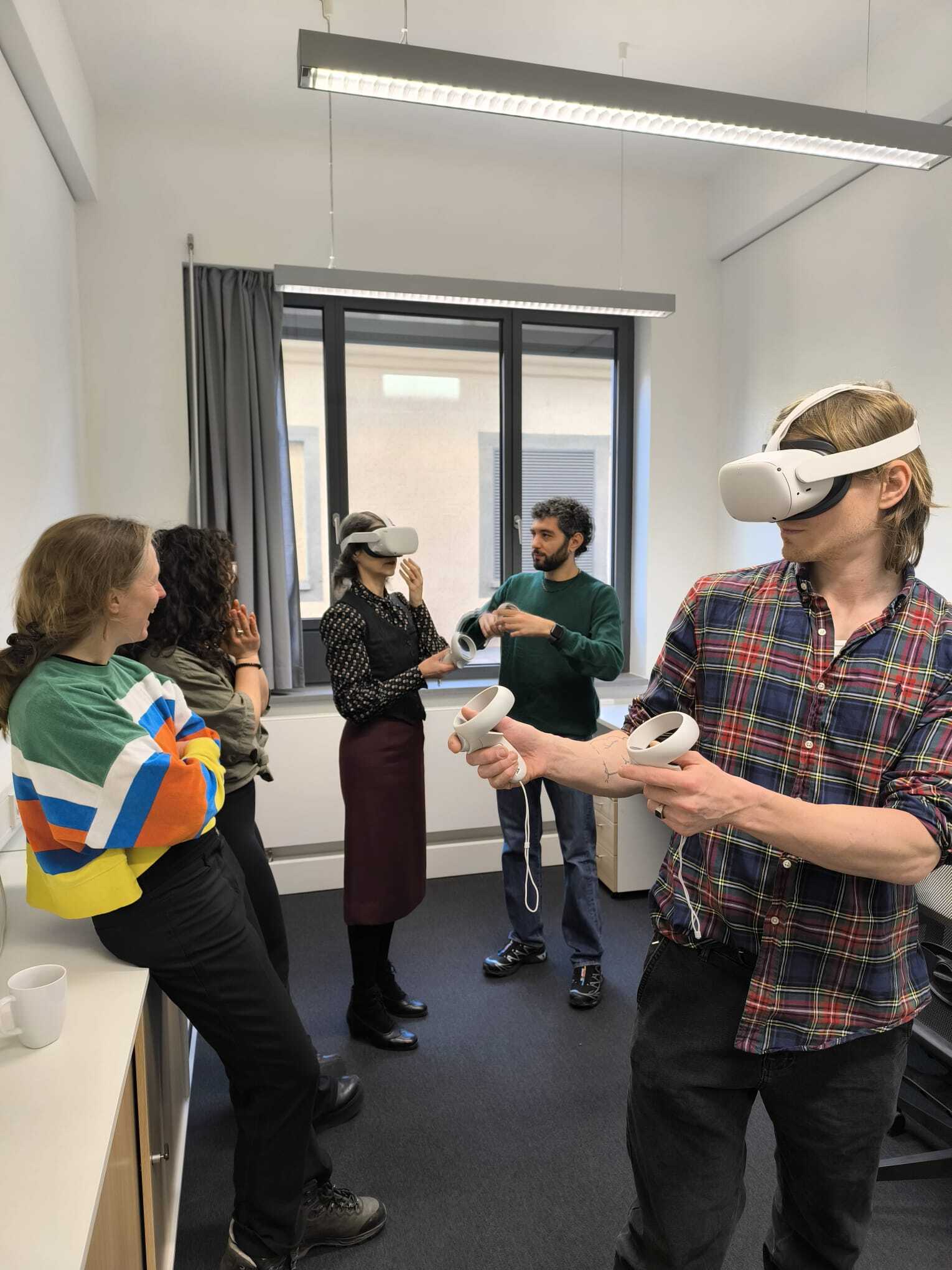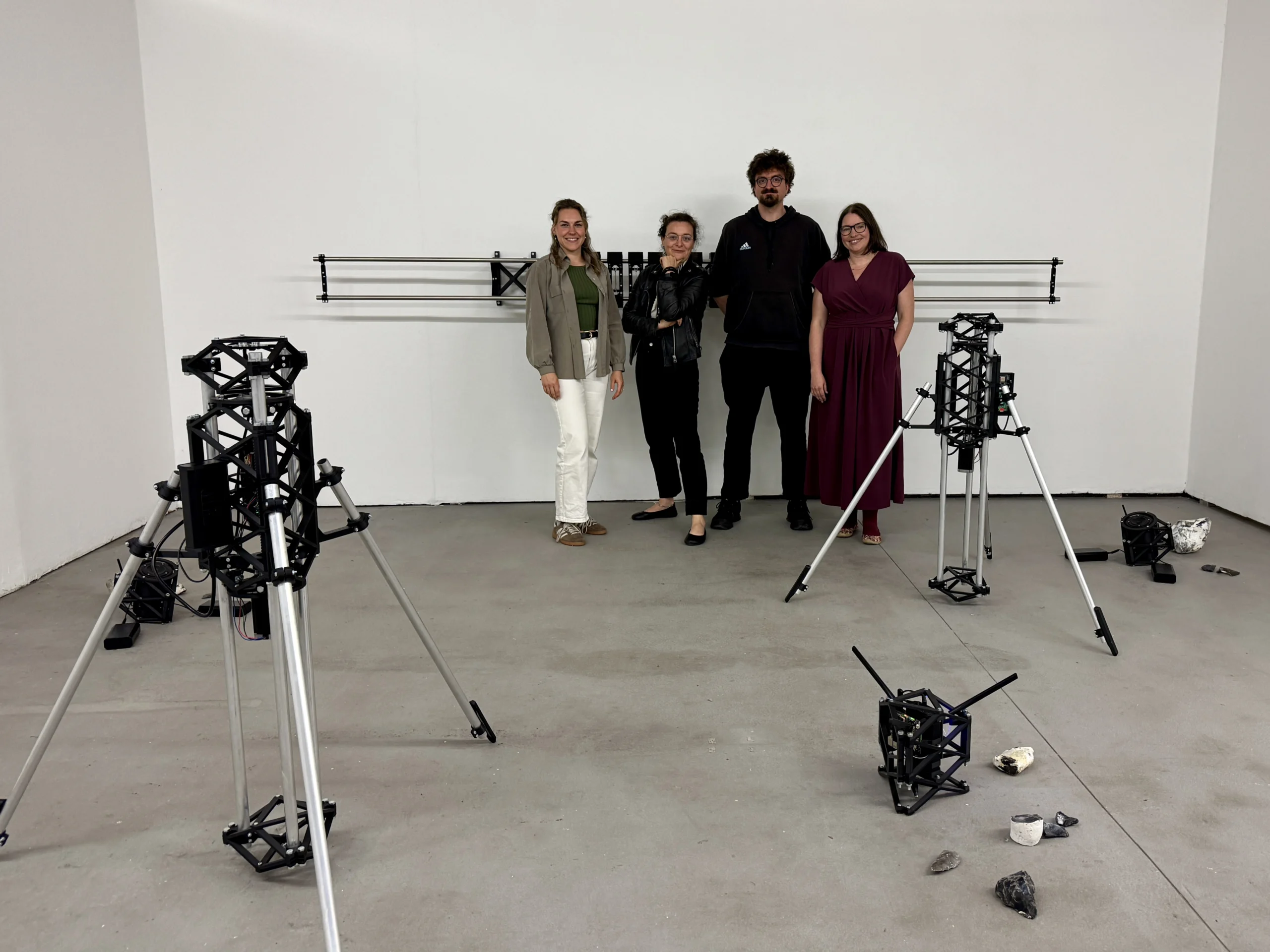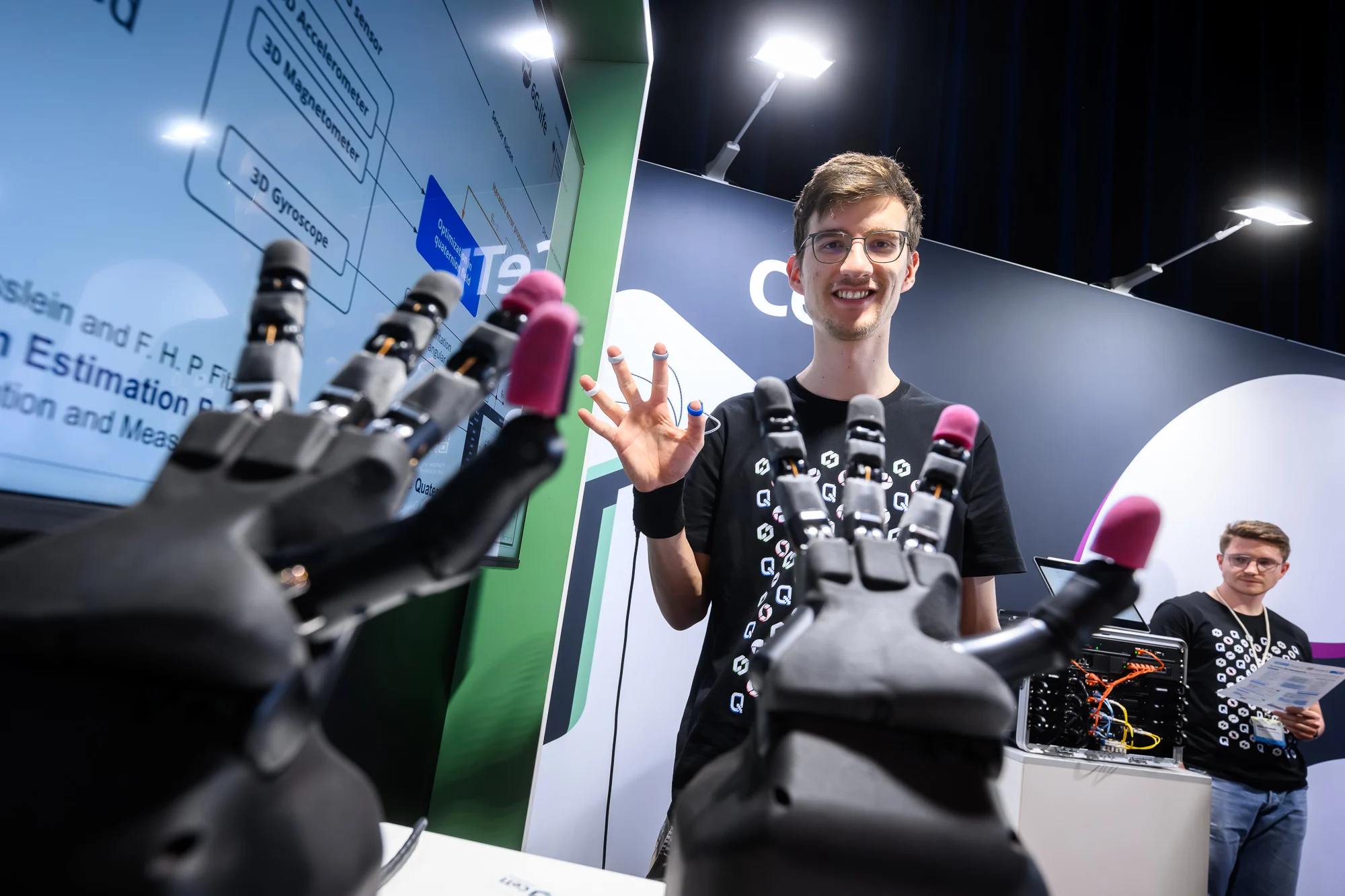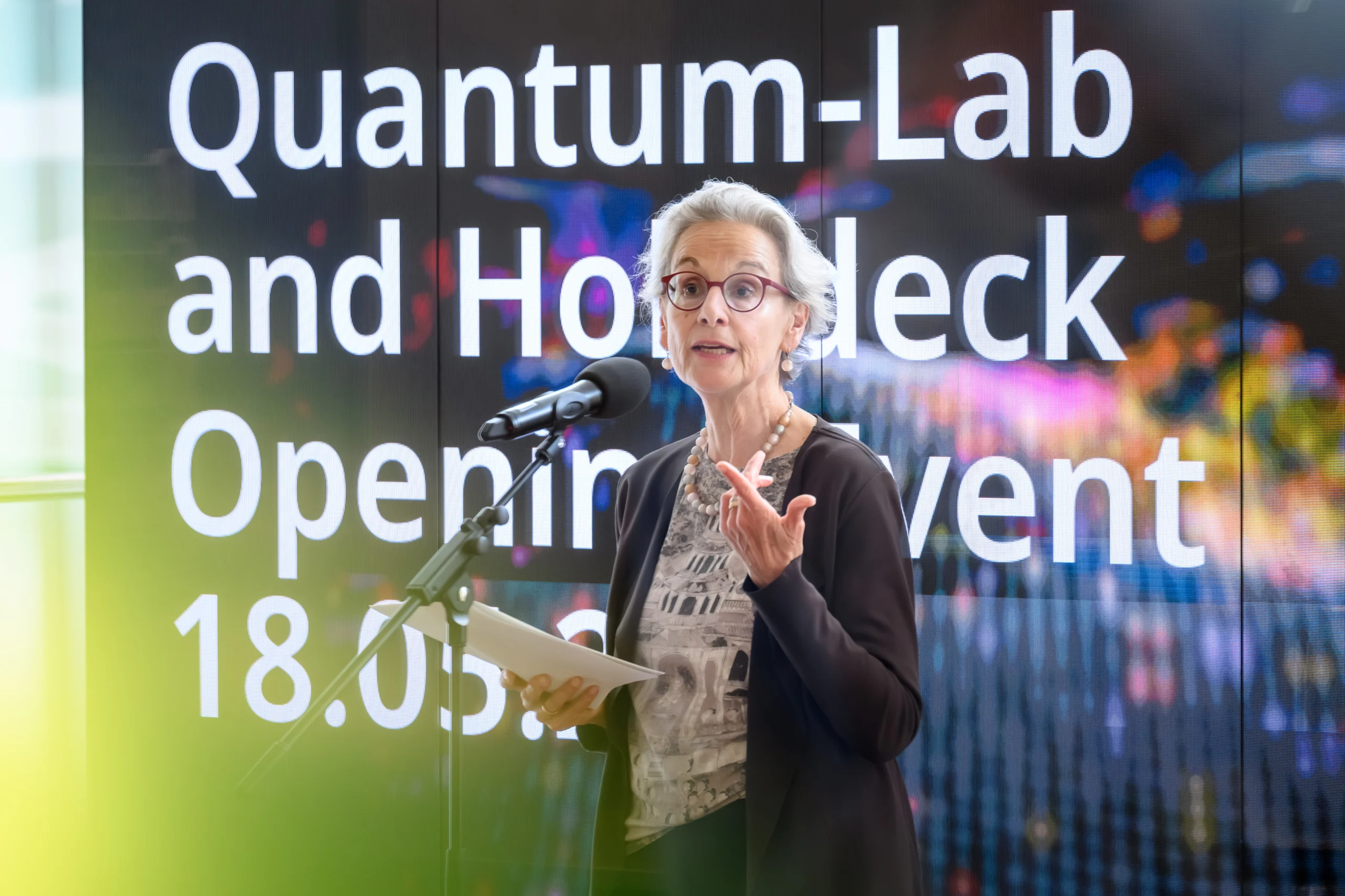

This week the Social Affective Touch Team (ConTakt) successfully launched the CeTI² activities with a CeTI Spotlight Event dedicated to tactile sensitivity. The event brought together researchers from psychology, neuroscience, and robotics, fostering a rich interdisciplinary exchange. The event focused on innovative psychological tools for investigating individual differences in touch perception and preferences, and how these insights can directly inform the development of tactile sensors.
Highlights of the Event
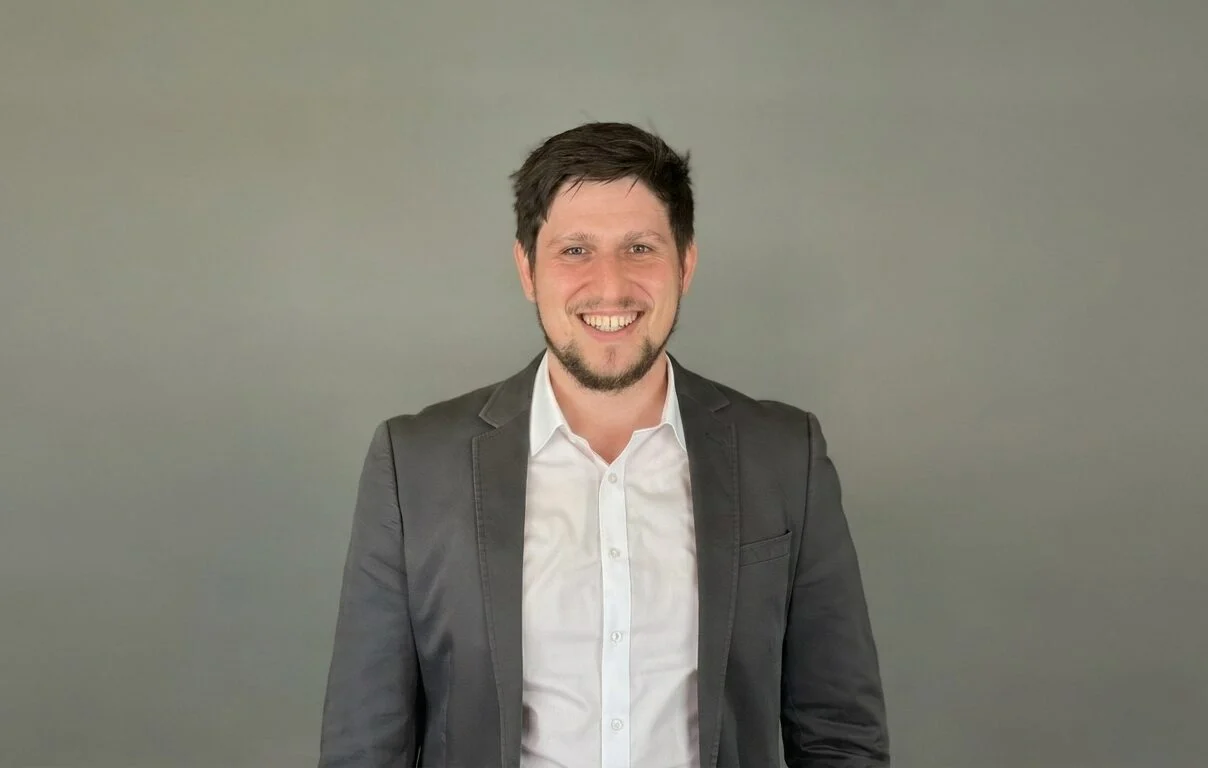
Keynote lectures by Prof. Ilona Croy (University of Jena) and Prof. Uta Sailer (University of Oslo) provided in-depth perspectives on tactile perception from psychological and neuroscientific viewpoints. From a technological perspective, Prof. Roberto Calandra (TU Dresden) presented compelling approaches to the development of tactile sensor systems and discussed current challenges at the interface of human touch and robotics.
The program was complemented by engaging short talks, lively discussions, and a lab tour hosted by the ConTakt team, rounding off a day of truly interdisciplinary dialogue.
We sincerely thank all speakers and participants for their valuable contributions and the stimulating discussions dedicated to the science of touch.