
Curriculum Vitae
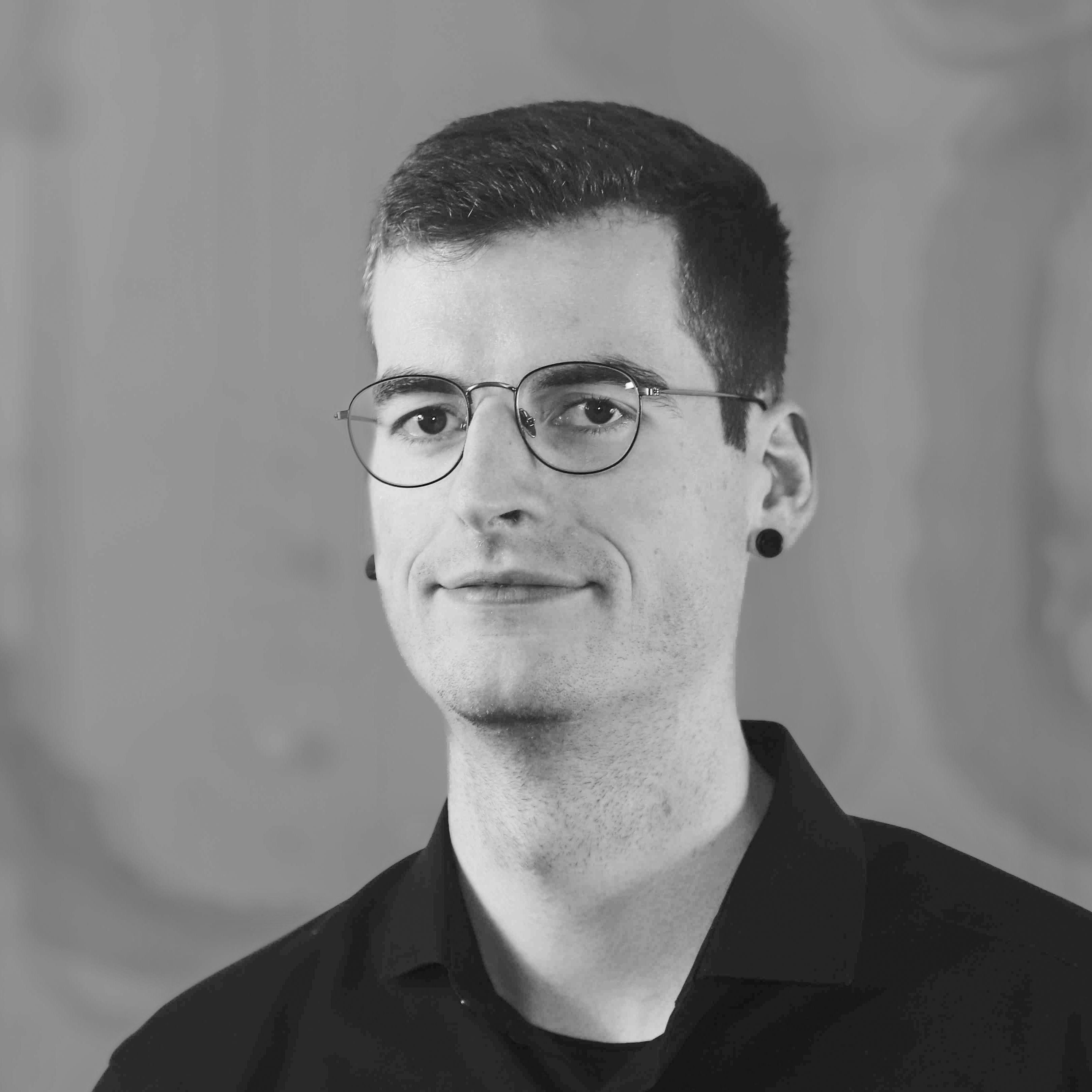
I graduated in industrial engineering from TU Dresden in 2023. I then studied electrical engineering before becoming a research assistant at the Chair of Microsystems Technology in 2024. My field of research is the development and manufacture of microfluidic chips for various applications. As a PhD researcher at Ceti, I will be working on microfluidic circuits for molecular communication.
What are the main topics or questions that drive your research?
Microfluidic and chemomicrofluidic circuits have the potential to automate complex medical and biological processes. Possible areas of application include diagnostics, organ-on-chip and real-time analysis of biochemical processes. To turn these ideas into reality, a robust system design is required. That is why I develop intelligent components and circuits for various applications. This also includes manufacturing and testing in our laboratories.
What inspired you to pursue your current field of work?
This research field is very interdisciplinary. I always learning new things about biology, chemistry and medicine. At the same time, I can try out ideas right away in the laboratory and find out how they can be put into practice.
What excites you most about being part of CeTI?
I am looking forward to working with other researchers and learning new things. I am quite sure that by working together with others, we will find new approaches to problems that no one has thought of yet.
Which challenge or question has recently sparked your curiosity?
There is an idea to use organ-on-a-chip technology to perform individual drug tests for each person. Will we carry a double with us in the future that we can use to test whether we can tolerate something we have never eaten before?
How do you like to recharge or spend your time outside of work?
I like to climb or hike in the sächsische Schweiz. Being outside is in my opinion the best way to relax and stay creative.