

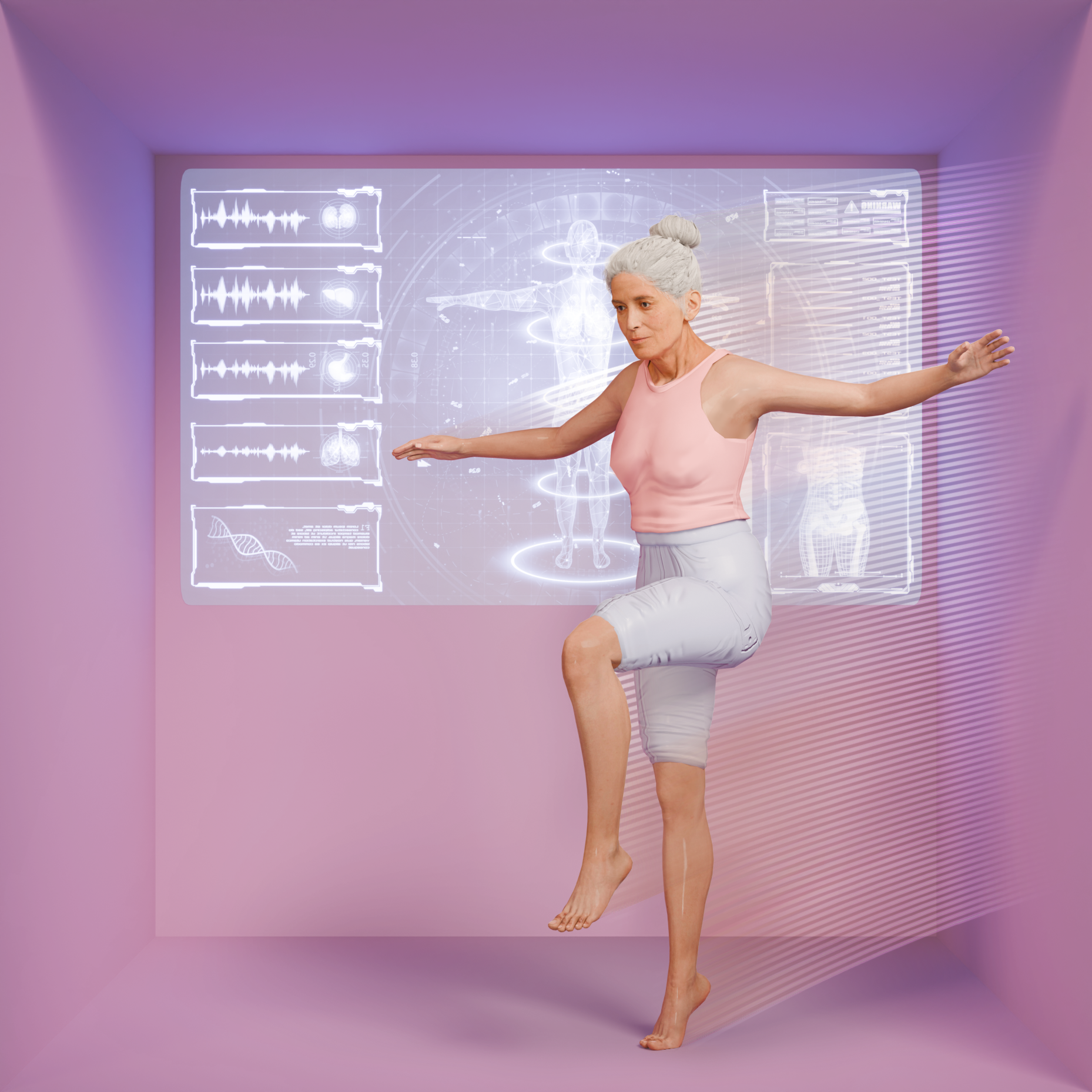
U2 Room

Care

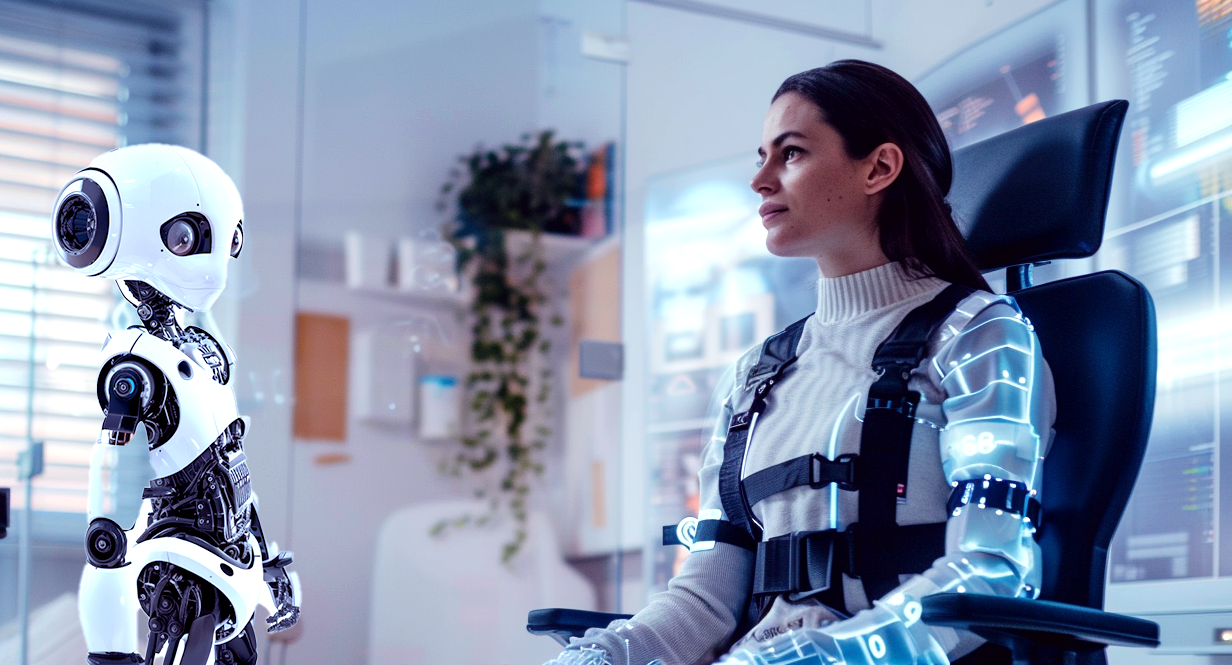
The CeTI project in the “Care” area aims to improve healthcare for individuals with neurological, neurodegenerative, vascular disorders, and the elderly, integrating smart sensors, multi-arm robotics, and social robotics to manage physical and cognitive dysfunctions.

Application Areas

Sensor-based functional impairments analysis

Using wearable and robotic sensors to analyze digital biomarkers and develop personalized interventions.

Robotics for care

Robots to enhance orthopedic therapy, radiotherapy, and emotional support for the elderly.

Expected Results

  • Construction of the Care Living Lab as a demonstration space and validation of sensors and actuators.
  • Availability of AI systems for personalized assessment of physical and cognitive functions.
  • Validation of developed systems with clinical outcomes, user trust, and impact on quality of life.

Our Latest Research Results

  • The Psychology of Trust in High-Risk AI Systems

    As Artificial Intelligence systems rapidly transition from passive tools to active teammates in healthcare, workplaces, and education, a critical question emerges: Is it enough for a system to be rel ...

  • The Illusion of Certainty – Why We Over-Trust Our Sense of Touch

    We often believe that seeing is believing—but when it comes to true certainty, we tend to rely even more on what we can physically feel. A special new study from the ConTakt Lab at TU Dresden dives i ...

  • Designing the Perfect Touch – How Soft Actuators Meet Human Perception

    Can a glove integrated with liquid dielectric actuators change the way we interact with virtual worlds? A new collaborative study explores exactly that—building a crucial bridge between soft robotics ...

  • Charting the Challenges and Opportunities of Mixed Presence in Mixed Reality

    Developing environments where physical and virtual users can seamlessly interact is incredibly complex. At this year's ACM CHI Conference on Human Factors in Computing Systems (CHI 2026) in Barcelona ...