
Curriculum Vitae
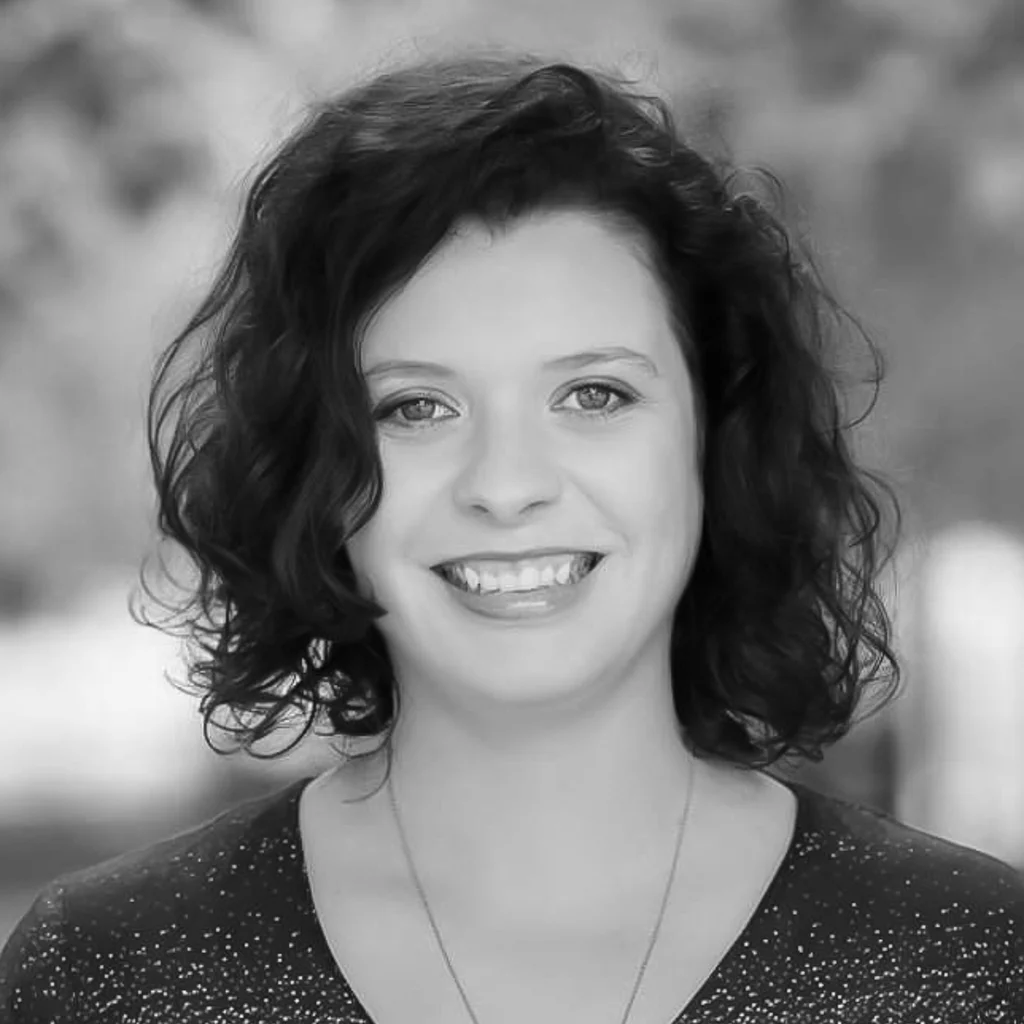
I’m a research associate at the Center of Clinical Neuroscience which is part of the Department of Neurology at the university hospital in Dresden and the academic home of a specialist clinic for people with multiple sclerosis (MS). I’ve studied Economics alongside Business Law and Economic Law. I especially liked those classes that applied economic theory to social interactions – behaviourial economics in the widest sense. Health economics was one such class. Health is important for each and everyone of us. All of us interact with the healthcare system at some point, likely more as we’re getting older. Our biology is very complex, and so is the health system. As an economist I’ve been trained to analyze systemic structures to identify leverage points for change/intervention. At our center we strive to create a digital twin for MS. A digital twin as we imagine it is supposed to digitally mirror the health state of a specific MS patient, ideally in real-time. It would allow simulations of future health states of that patient, depending on the choice of therapy for example. There are lots of systemic interconnections to consider when building a digital twin…
Projekte/Kooperationen innerhalb von CeTI, an denen Sie beteiligt sind:
- Use case development and coordination of all activities within U2 Room (Care) which includes close cooperation with other rooms such as C2 (Peripherals), C3 (Robotics) or C4 (Metaverse)
- Development of a demonstrator to showcase how CeTI’s research may be used to improve patient care in the future
What are the main topics or questions that drive your research?
The application of the concept of “digital twins” in the sphere of medicine and healthcare.
What inspired you to pursue your current field of work?
Hippocrates once said something along the lines that “… health is the greatest of human blessing…”. I very much think that this is true. Any research in the medical field within CeTI and beyond that ultimately aims to find (better) ways to preserve or regain health. I like that I get to contribute to that aim with my work every day.
What excites you most about being part of CeTI?
I love that CeTI brings together many different people across diverse disciplines, fostering collaborative research. This creates great synergies and new ideas.
Which challenge or question has recently sparked your curiosity?
Smartphones are so common place today, and fast internet access and the web is something we take for granted today. If you think about what life in terms of electronic devices and online communication looked like only about 20 years ago… And now there’s artificial intelligence (AI) on a steep rise – the level of maturity AI technology has reached over the last decade is impressive. I believe keeping up with it and adapt our lives and our work accordingly is the greatest challenge of our time. There’s great potential but also great harm that can be done with AI, especially in the field of medicine. We all are generating a lot of digital data day after day. All of those data can be health relevant – to a smaller or greater degree, depending on how they relate to each other and if they can be linked. So I’m curious to see what medicine and healthcare but also life in general will look like in about 20 years from now with all what’s happening in this regard.
How do you like to recharge or spend your time outside of work?
In my free time, there’s a good chance that you’ll find me on the couch, exploring fantasy worlds in a book, or outside, exploring Dresden’s surroundings or other places near and far with my dog and family. Other than that, I love the arts and culture.